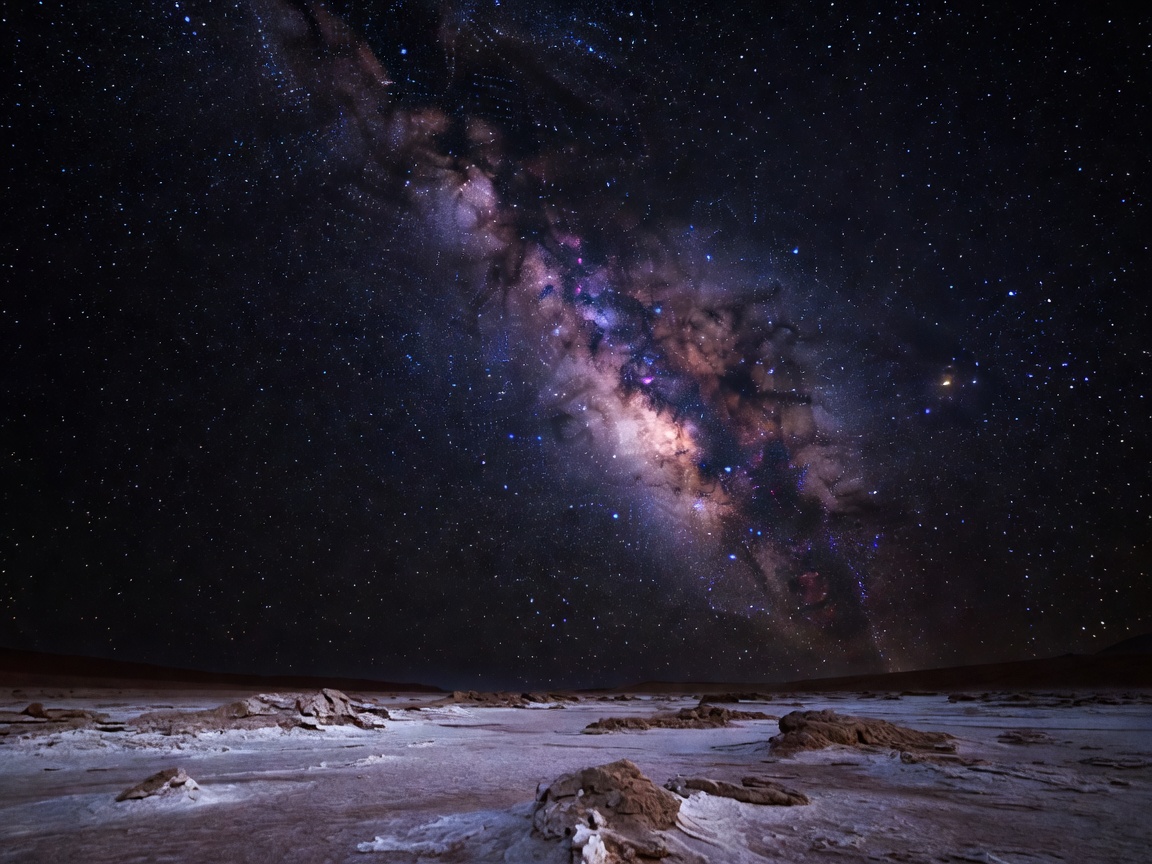
Perched 2,400 meters above sea level in northern Chile, the Atacama Desert holds the world's most pristine astronomical conditions. With over 300 clear nights per year, zero humidity, and practically non-existent light pollution, the nocturnal sky here does not merely reveal stars—it casts visible shadows on the desert sand.
Why the Atacama Sky is World-Famous
The combination of extreme altitude, cold ocean currents blocking rain-bearing clouds, and dry atmospheric thermal layers creates unprecedented atmospheric transparency. This unique geographic coincidence is why mega-observatories like ALMA and the European Southern Observatory choose this plateau for deep-field interstellar research.
"Standing beneath the Atacama night sky, the Milky Way core appears so bright and textured that you feel suspended in three-dimensional galactic space."
Naked Eye & Telescope Viewing Highlights
From San Pedro de Atacama, stargazers can view deep southern hemisphere celestial treasures impossible to spot from North America or Europe, including the Large and Small Magellanic Clouds, the Tarantula Nebula, and the dark dust lane known as the Coal Sack Nebula.
Atacama Stargazing Practicalities
- Best Viewing Windows: Schedule trips during the New Moon phase when lunar glare is completely absent.
- Sub-Zero Temperatures: Despite daytime heat, nighttime desert temperatures frequently drop near freezing (0°C / 32°F). Thermal layers are essential.
- Laser & Optical Tours: Local astronomy guides utilize motorized 16-inch Dobsonian telescopes and green astronomical lasers to navigate deep sky clusters.