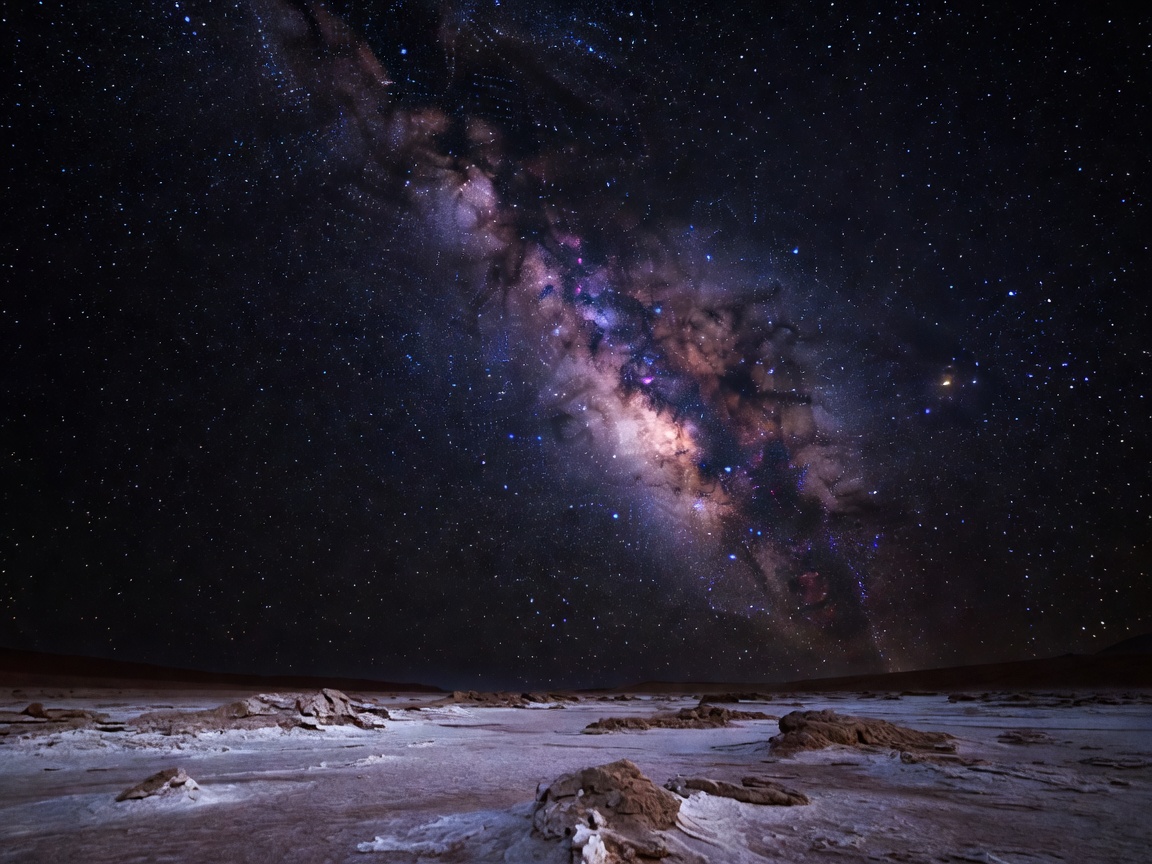
Capturing the cosmos in high-altitude desert plateaus like the Atacama requires balancing exposure durations, lens apertures, and earth-rotation tracking to prevent trailing stars.
The 500 Rule vs. Star Trackers
When shooting on a fixed tripod, divide 500 by your lens focal length (e.g., 500 ÷ 14mm = 35 seconds max) to find your maximum exposure time before pinpoint stars begin to smear into trails. For deep dust lane detail, utilizing a equatorial star tracker allows multi-minute exposures at lower ISO settings.
Essential Camera Settings for Dark Skies
- Aperture: Wide open (f/1.4 to f/2.8) to harvest maximum photons.
- ISO Gain: ISO 3200 to 6400 on modern full-frame sensors.
- Focus Technique: Use 10x manual focus live-view magnification on a bright star (e.g. Sirius) until the pinhead point is sharp.